
For many, tattoos, piercings, and breast reconstruction are not just routine grooming or expressions of style, they are acts of autonomy. They allow us to connect with our identities, feel confident in our skin, or enjoy beauty rituals that make us feel more like ourselves. But what happens when breast cancer barges into your life, bringing along chemotherapy, radiation, surgeries, hormone therapy, and a long list of physical and emotional changes?
Suddenly, even the smallest decision about your body becomes a question mark. You may wonder, “Can I still get a tattoo?” or “Is it safe to wax my legs or pierce my ear?” These are common, valid, and deeply personal questions that many breast cancer patients and survivors ask. The good news is that the answer is often “yes” but it comes with a few “ifs” and “whens” attached. Knowing what to watch out for and when to proceed can make all the difference between a safe, empowering experience and a regrettable one.
Tattoos
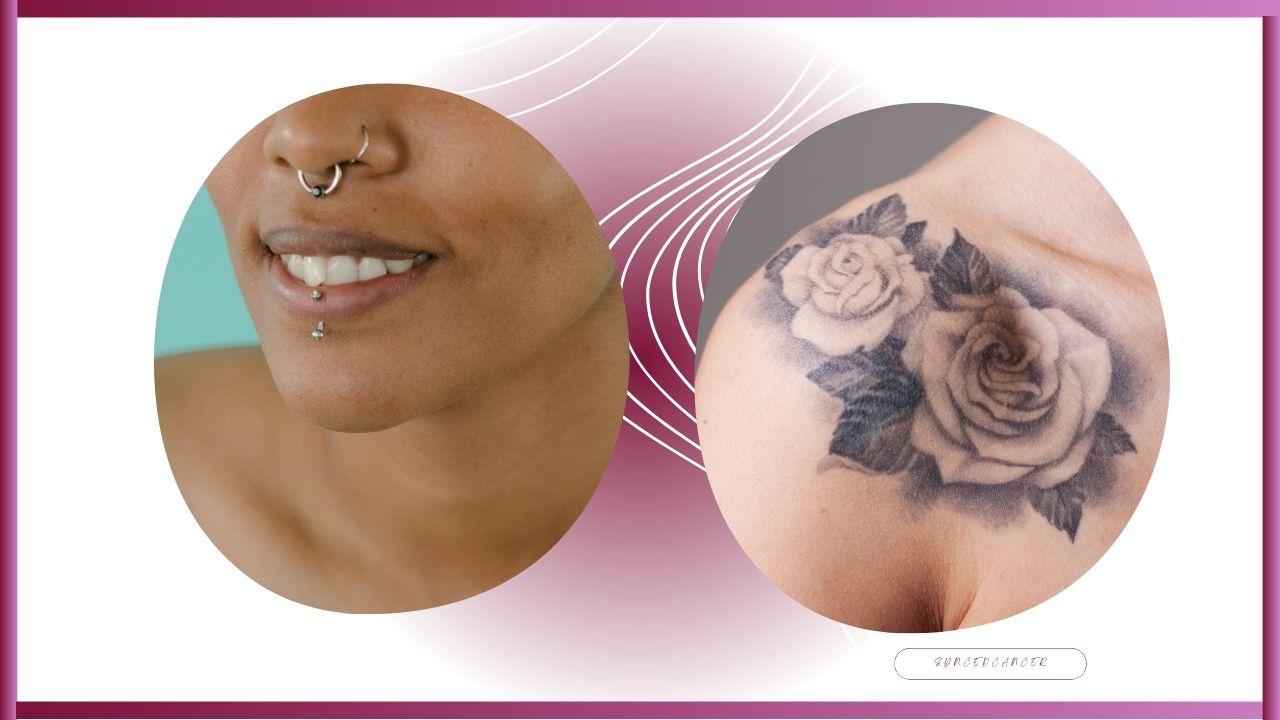
For some breast cancer survivors, tattoos represent healing, celebration, or even closure. Many women use decorative tattoos to cover scars, mark milestones, or express their survival stories through body art. Others choose medical or restorative tattoos, such as 3D nipple-areola tattoos after a mastectomy. No matter the reason, timing is crucial.
It is generally not safe to get a tattoo while you’re undergoing chemotherapy or radiation. These treatments weaken your immune system, leaving your body less equipped to fight infections. Healing may take longer, and your skin may be more fragile or sensitive. Most doctors recommend waiting at least six to twelve months after treatment ends before considering a tattoo, although this varies based on your recovery.
Even after treatment, not all body areas may be ideal for tattooing. Skin that has been radiated may be more sensitive or thinner than usual, while surgical sites, especially those that have been reconstructed might not hold ink well or could take longer to heal. In areas where nerve sensation has changed, you might not feel pain or discomfort during the tattooing process, which makes it harder to know if something’s going wrong.
Finding a tattoo artist who specializes in medical tattooing or has experience working with breast cancer survivors is crucial if you’re thinking about getting a nipple tattoo. Ensuring the skin is cared for, and that healing is constantly watched is more critical than simply attaining the desired appearance. And while there’s no “cancer-safe ink,” choosing a clean, reputable studio that follows strict hygiene protocols can reduce your risk of infection.